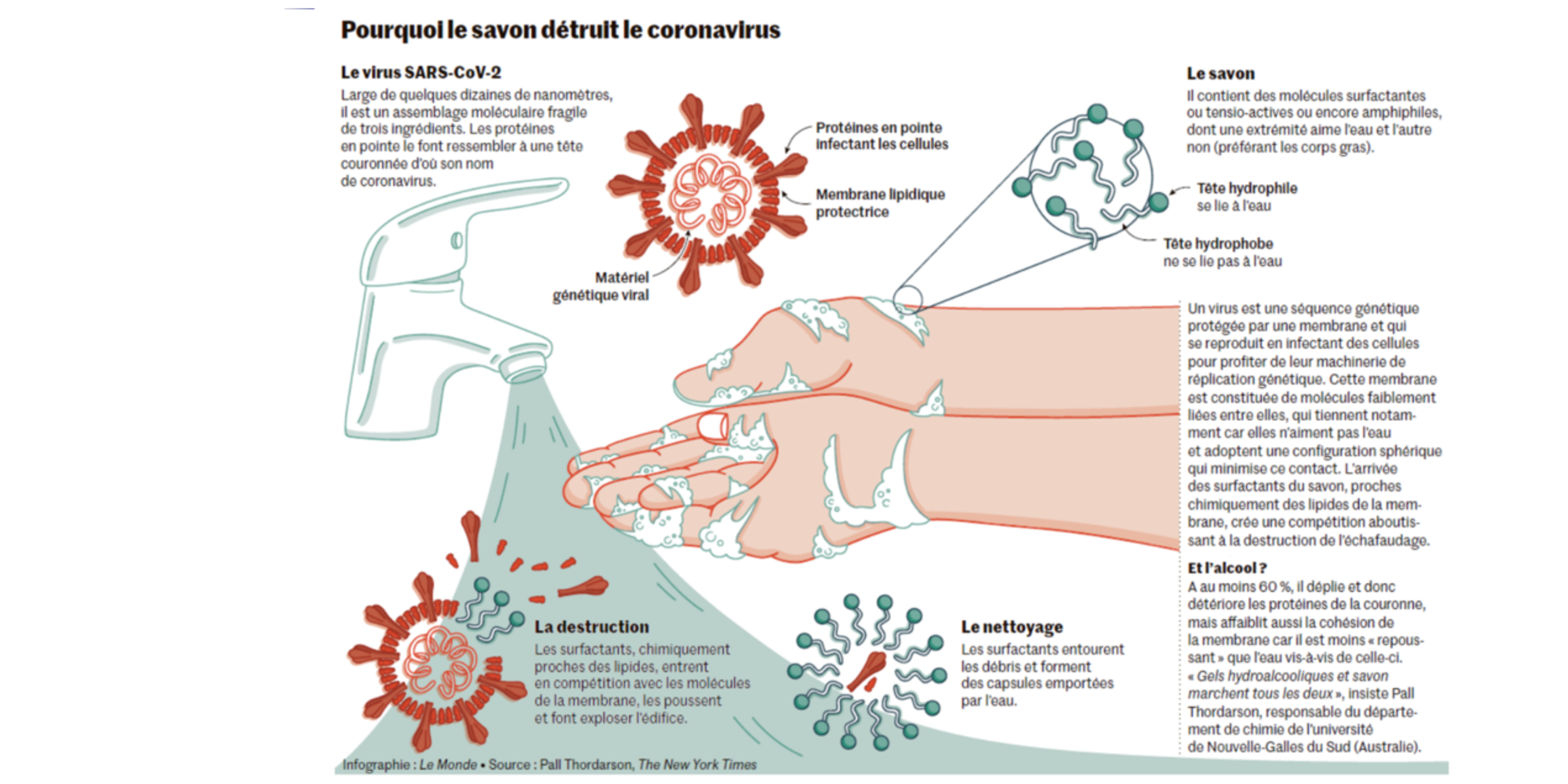
Washing your hands is an essential hygiene habit for preventing microbial contamination. Our hands, constantly exposed to environmental microbes and all kinds of dirt, are the main way germs are spread. Knowing the right techniques and the best times to wash is key to keeping good hygiene in any work setting.
When to Wash Your Hands?
Household and personal situations:
Hand hygiene is a must as soon as you get home, before and after taking care of a newborn or baby (especially after changing diapers), and always after using the toilet. These preventive steps significantly reduce the risk of spreading germs at home and at work.
Food and cooking context:
Handling food requires extra care: you have to wash your hands before cooking, often while cooking (especially before touching raw or dirty food), and always before sitting down to eat. Being careful like this helps prevent cross-contamination and food poisoning.
Activities with contaminant risk:
Some situations call for immediate washing: after sneezing, coughing, blowing your nose, handling contaminated objects (doorknobs, trash bins, phones), messy activities (cleaning, DIY, gardening), contact with animals, or handling waste. These precautions help limit the spread of germs.
Technical Methodology for Hand Washing
Standard five-step protocol:
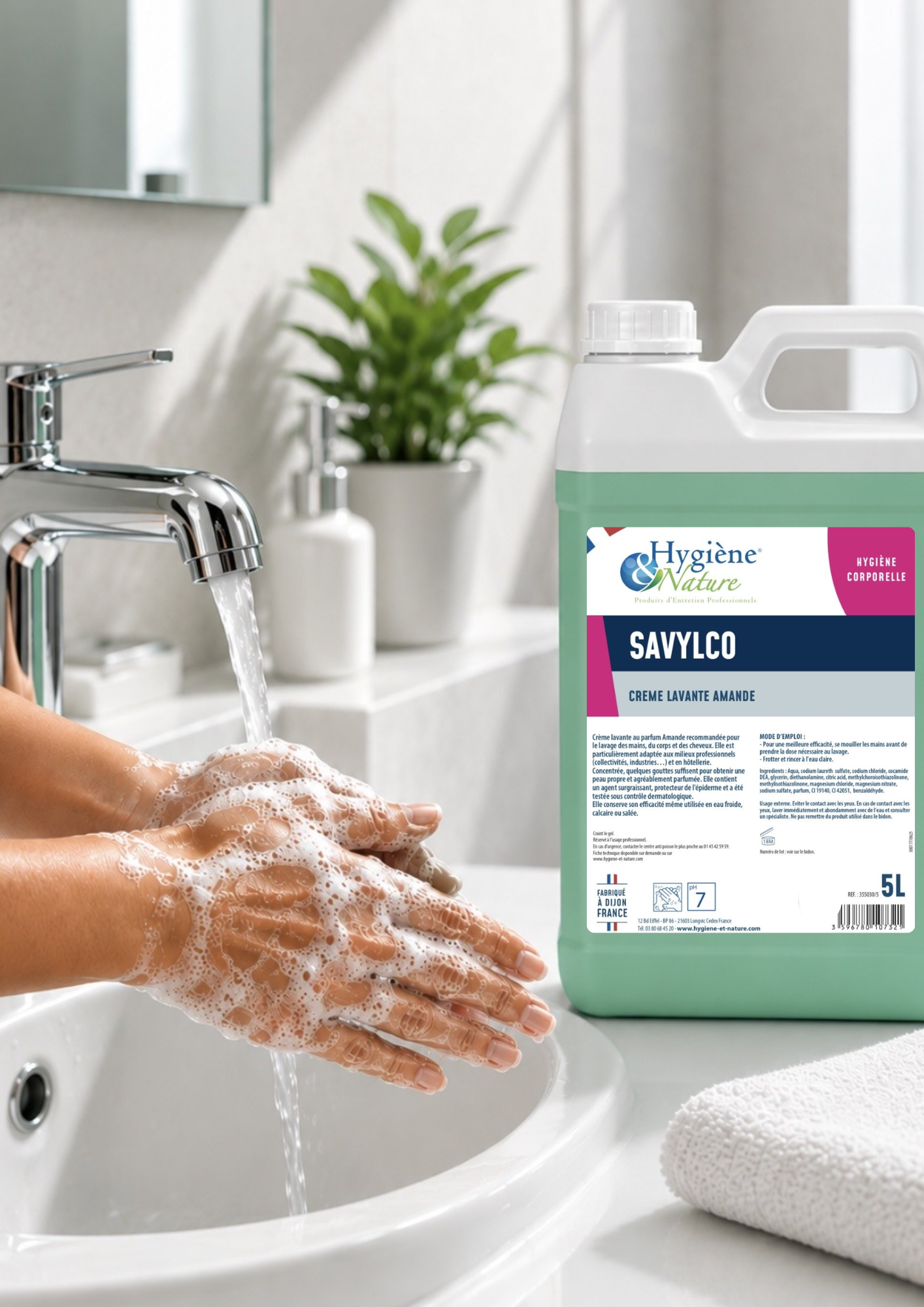
The optimal technique starts by wetting your hands with drinking water, followed by applying a dose of cleansing cream like our SAVYLCO product or its ECOLABEL EUROPEAN certified alternative SAVYLCO V. For food industry and medical settings, opt for the Savypur hand disinfectant, a lotion that kills bacteria, yeast, and viruses for simultaneous hand washing and disinfection.
Effective rubbing and rinsing:
Rubbing should last at least twenty seconds, focusing on fingers, edges, palms, backs of the hands, nails, and wrists. For long or dirty nails, do a double wash with a clean soft brush the first time. Rinse thoroughly with water before drying with a clean cloth towel or disposable paper.
Alternative Solution: Hand Sanitizer
Use on the go:
When there’s no access to water, Aromyl Hydrogel, our hand sanitizer gel, offers an effective alternative, especially on previously washed hands. Apply by gently rubbing for at least thirty seconds until completely dry, making sure to cover the spaces between fingers, nails, and edges.
Specific usage protocol:
The technique involves spreading a dose on the hands, rubbing until it evaporates for at least 30 seconds, and then repeating the process once. The main advantage is that there’s no rinsing or wiping needed, allowing for quick disinfection on the go.